
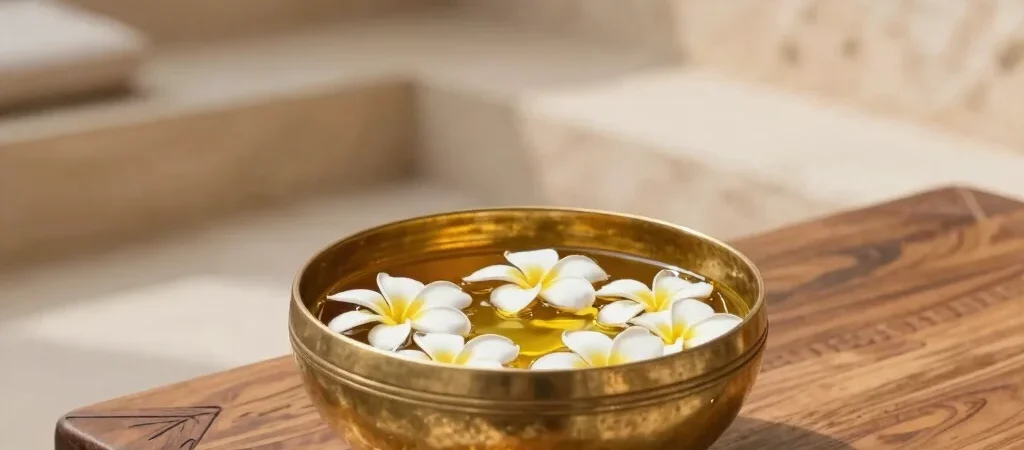
When checking into a heritage palace hotel in Udaipur or a coastal resort in Kerala, guests frequently encounter Ayurvedic Abhyanga alongside conventional deep tissue options. While both promise deep relaxation, their underlying philosophies, oil application methods, and bodily movements could not be more distinct. Recognizing these differences helps travelers choose between a therapeutic traditional therapy and a relaxing Swedish style.
The Purpose of Warm Herbal Oils
Unlike Western Swedish massage which uses oil sparingly for smooth skin glide, traditional Abhyanga relies on generous quantities of warm, herb-infused sesame or coconut oils. The therapeutic oils are formulated to penetrate deep skin layers, nourishing tissues and lubricating joints. Guests should expect to be thoroughly saturated in warm oil during the session, followed by a herbal steam bath.
Rhythmic Strokes and Energy Channels
Abhyanga employs specific dynamic, long, sweeping strokes along the body's energy channels or marma points. The movement is rhythmic and brisk rather than concentrated on deep muscle friction. This technique aims to stimulate circulation and encourage lymphatic drainage across the entire body.
Preparing for the Post-Treatment Routine
An authentic Ayurvedic ritual rarely ends when the therapist steps away. Most heritage spas encourage guests to sit in a warm herbal steam chamber to allow the medicated oils to absorb fully before rinsing off with a traditional pulse-flour wash. Planning extra quiet time after your appointment ensures you receive the full restorative benefits of the session.